
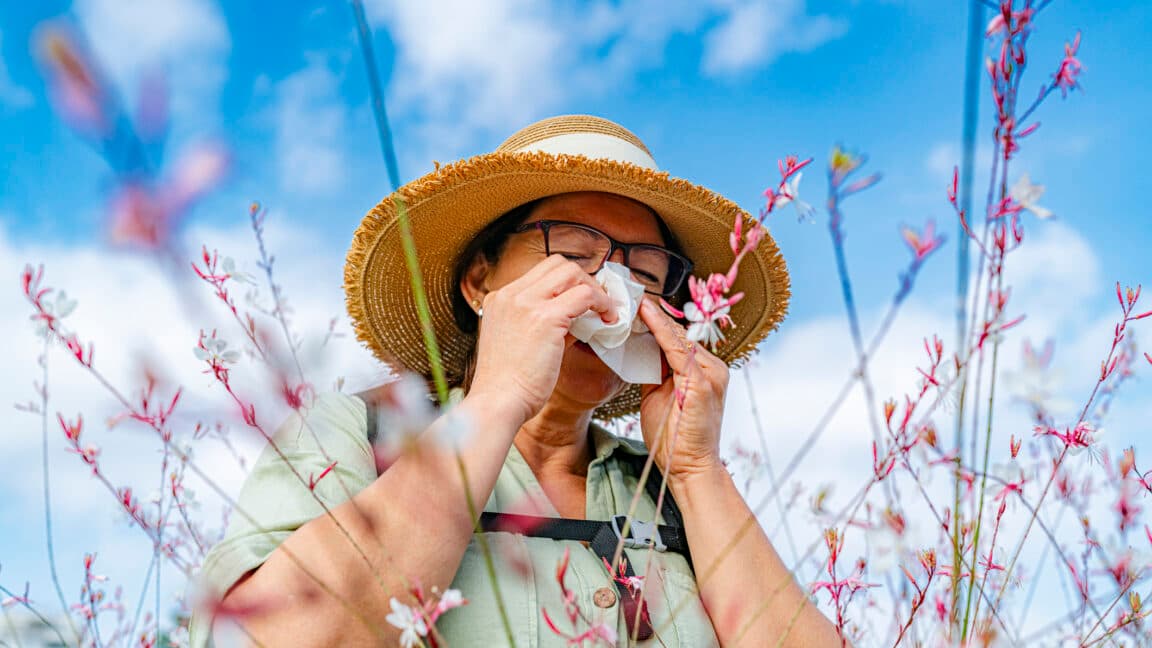
Introduction to Climate Change and Allergies
Climate change is a pressing global issue that affects not only the environment but also human health. One of the lesser-known consequences of climate change is its impact on allergies. As the planet warms, pollen seasons worsen, and allergies compound with other climate health hazards. In this article, we will explore the link between climate change and allergies, and what you can do to mitigate the effects.
The Impact of Climate Change on Pollen Season
Climate change is altering the timing and duration of pollen seasons. Warmer temperatures and changing precipitation patterns are causing plants to bloom earlier and longer, resulting in higher pollen counts. This can exacerbate allergies, particularly for people with pre-existing conditions. The increased pollen counts can also lead to more severe allergic reactions, making it essential to take proactive measures to protect your health.
How Climate Change Affects Pollen Counts
- Warmer temperatures: Higher temperatures stimulate plant growth, leading to increased pollen production.
- Changing precipitation patterns: Altered rainfall and snowfall patterns can disrupt the natural balance of plant growth, resulting in more pollen.
- Increased CO2 levels: Rising carbon dioxide levels can stimulate plant growth, leading to higher pollen counts.
The Consequences of Climate Change on Human Health
Climate change has far-reaching consequences for human health, beyond just allergies. Rising temperatures, changing precipitation patterns, and increased extreme weather events can all impact health. Heat stress, air pollution, and the spread of disease are just a few examples of the climate-related health hazards we face. It is essential to consider the broader implications of climate change on human health and take a proactive approach to mitigating its effects.
Climate-Related Health Hazards
- Heat stress: Rising temperatures can lead to heat-related illnesses, particularly for vulnerable populations such as the elderly and young children.
- Air pollution: Climate change can exacerbate air pollution, which can worsen respiratory conditions such as asthma.
- Disease spread: Changing climate conditions can facilitate the spread of disease, particularly water-borne and vector-borne illnesses.
Mitigating the Effects of Climate Change on Allergies
While climate change is a complex and multifaceted issue, there are steps you can take to mitigate its effects on your allergies. By taking a proactive approach to managing your allergies and reducing your carbon footprint, you can help protect your health and the environment.
Tips for Managing Allergies in a Changing Climate
- Monitor pollen counts: Stay informed about local pollen counts to plan your activities accordingly.
- Use allergy medication: Consult with your doctor about using allergy medication to manage your symptoms.
- Reduce exposure: Limit your exposure to pollen by staying indoors during peak pollen hours and using air purifiers.
Sustainability and Climate Change
Sustainability is essential for mitigating the effects of climate change. By making environmentally conscious choices, you can help reduce your carbon footprint and contribute to a healthier planet. Simple actions such as reducing energy consumption, using public transportation, and recycling can all make a difference.
Ways to Live Sustainably
- Reduce energy consumption: Use energy-efficient appliances and turn off lights, electronics, and taps when not in use.
- Use public transportation: Consider using public transportation, walking, or biking instead of driving a car.
- Recycle: Recycle paper, plastic, glass, and metal to reduce waste and conserve natural resources.
Conclusion
In conclusion, climate change is having a profound impact on allergies, with rising temperatures and increased pollen counts exacerbating symptoms. By understanding the link between climate change and allergies, and taking proactive steps to manage your allergies and reduce your carbon footprint, you can help protect your health and the environment. Remember, every small action counts, and collective efforts can lead to significant positive change.
