
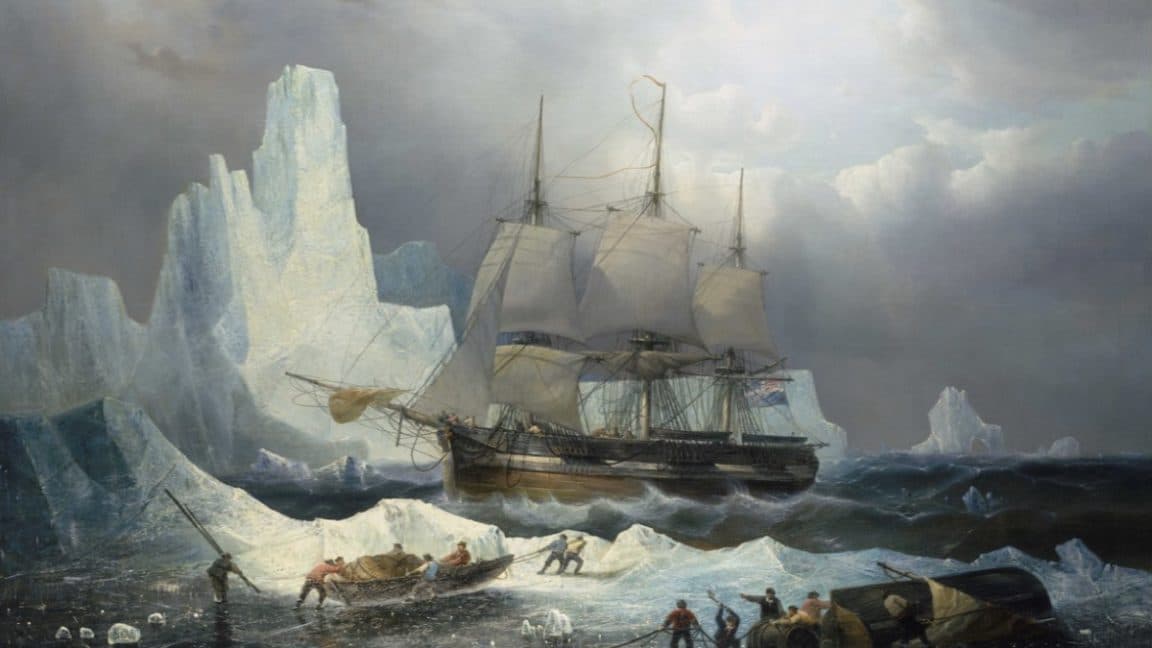
Introduction to the Franklin Expedition
The Franklin expedition, led by Sir John Franklin, was a British voyage of Arctic exploration that ended in tragedy. The expedition set out in 1845 with two ships, HMS Erebus and HMS Terror, to navigate the Northwest Passage. However, the ships became trapped in ice, and the crew was forced to abandon ship. The expedition's fate was unknown for many years, and it was not until the discovery of the ships' wreckage that the full extent of the tragedy became clear.
DNA Analysis and Identification
Recently, DNA analysis has been used to identify four more crew members of the Franklin expedition. Three of the crew members served on the HMS Erebus, while the fourth was Petty Officer Harry Peglar of the HMS Terror. The DNA analysis was conducted on remains found at the expedition's winter camp on Beechey Island, where the crew had spent the winter of 1845-1846. The analysis involved comparing the DNA of the remains to that of the crew members' descendants, allowing researchers to identify the individuals with a high degree of certainty.
Methodology of DNA Analysis
The DNA analysis was conducted using a combination of mitochondrial DNA and Y-chromosome DNA. Mitochondrial DNA is passed down from mother to child, while Y-chromosome DNA is passed down from father to son. By analyzing these types of DNA, researchers were able to identify the crew members and their relationships to each other. The analysis also involved comparing the DNA to historical records and other archival materials to confirm the identities of the crew members.
The Crew Members
The three crew members who served on the HMS Erebus were identified as John Hartnell, a 25-year-old sailor from London; Thomas Armitage, a 29-year-old sailor from Manchester; and Edward Genge, a 27-year-old sailor from Devon. Petty Officer Harry Peglar, who served on the HMS Terror, was identified as a 37-year-old sailor from Kent. The identification of these crew members provides new insights into the lives of the individuals who participated in the Franklin expedition and the experiences they had during the voyage.
Historical Significance of the Discovery
The identification of the four crew members is significant not only because it provides new information about the Franklin expedition but also because it highlights the importance of DNA analysis in historical research. The use of DNA analysis in this case demonstrates the potential of this technology to shed new light on historical events and to provide a more personal and human perspective on the past. The discovery also underscores the enduring fascination with the Franklin expedition and the public's interest in learning more about this tragic event in history.
Conclusion
In conclusion, the identification of four more crew members of the Franklin expedition through DNA analysis is a significant discovery that provides new insights into the lives of the individuals who participated in the voyage. The use of DNA analysis in this case demonstrates the potential of this technology to shed new light on historical events and to provide a more personal and human perspective on the past. As researchers continue to study the Franklin expedition and its crew members, it is likely that new discoveries will be made, and our understanding of this tragic event in history will continue to evolve.
Future Research Directions
Future research directions may include further DNA analysis of the remains found at the expedition's winter camp, as well as analysis of other archaeological materials found at the site. Additionally, researchers may seek to identify more crew members using DNA analysis, which could provide a more complete picture of the expedition's crew and their experiences during the voyage. The study of the Franklin expedition and its crew members is an ongoing process, and it is likely that new discoveries will continue to be made in the years to come.
- The Franklin expedition was a British voyage of Arctic exploration that ended in tragedy.
- DNA analysis has been used to identify four more crew members of the expedition.
- The crew members were identified as John Hartnell, Thomas Armitage, Edward Genge, and Petty Officer Harry Peglar.
- The identification of the crew members provides new insights into the lives of the individuals who participated in the voyage.
- The use of DNA analysis in this case demonstrates the potential of this technology to shed new light on historical events.
