
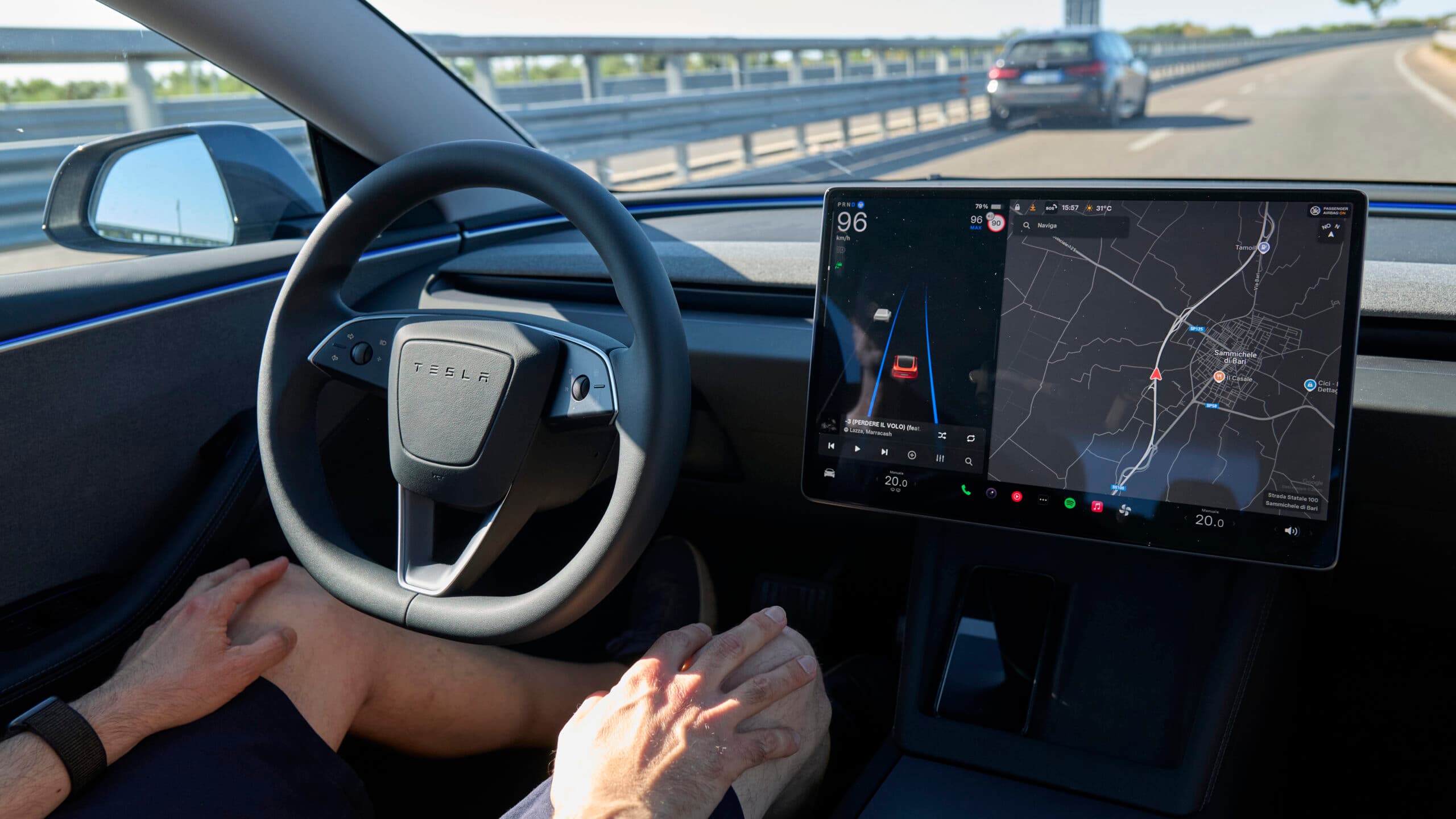
Introduction to FSD and its Significance
The world of automotive technology has been abuzz with the latest developments in autonomous driving, and one of the key players in this field is Elon Musk's Tesla. The company's Full Self-Driving (FSD) technology has been making waves, with the Dutch road authority recently granting approval for its use on European roads. This move has sparked a lot of interest and debate, with many wondering if other EU regulators will follow suit.
What is FSD and How Does it Work?
FSD is a advanced driver-assistance system (ADAS) that enables vehicles to operate autonomously, without the need for human intervention. The technology uses a combination of sensors, cameras, and mapping data to navigate roads and make decisions in real-time. Tesla's FSD system is considered one of the most advanced in the industry, with the ability to handle complex tasks such as merging onto highways and navigating through construction zones.
The Dutch Approval and its Implications
The Dutch road authority's approval of Tesla's FSD technology is a significant milestone, as it marks the first time a European regulator has given the green light for the use of autonomous driving on public roads. This move is expected to pave the way for other EU regulators to follow suit, which could have a major impact on the future of autonomous driving in Europe. The approval is also seen as a vote of confidence in Tesla's technology, which has been subject to intense scrutiny and criticism in the past.
Will Other EU Regulators Follow Suit?
While the Dutch approval is a significant development, it remains to be seen whether other EU regulators will follow suit. The European Union has a complex regulatory framework, with different countries having their own set of rules and guidelines for autonomous driving. However, the Dutch approval may set a precedent for other regulators to follow, and it is likely that we will see a wave of approvals in the coming months and years.
Challenges and Concerns Surrounding FSD
Despite the excitement surrounding FSD, there are also several challenges and concerns that need to be addressed. One of the main concerns is safety, with many experts questioning whether the technology is ready for widespread use on public roads. There have been several high-profile accidents involving autonomous vehicles in the past, which has raised concerns about the reliability and robustness of the technology.
Addressing Safety Concerns
To address safety concerns, regulators and manufacturers will need to work together to develop and implement robust testing and validation protocols. This will involve rigorous testing of FSD systems in a variety of scenarios, including extreme weather conditions and complex traffic situations. Additionally, manufacturers will need to provide clear guidelines and instructions for drivers on how to use the technology safely and effectively.
Conclusion and Future Outlook
In conclusion, the Dutch road authority's approval of Tesla's FSD technology is a significant development that may pave the way for other EU regulators to follow suit. While there are challenges and concerns surrounding the technology, it is clear that FSD has the potential to revolutionize the way we travel and transport goods. As the technology continues to evolve and improve, we can expect to see widespread adoption across Europe and beyond. Whether other manufacturers will be able to keep up with the pace set by Musk's innovative approach remains to be seen, but one thing is certain - the future of autonomous driving is exciting and full of possibilities.
Key Takeaways
- The Dutch road authority has approved Tesla's FSD technology for use on European roads.
- The approval may set a precedent for other EU regulators to follow.
- FSD has the potential to revolutionize the way we travel and transport goods.
- There are challenges and concerns surrounding the technology, including safety and regulatory frameworks.
- Manufacturers and regulators will need to work together to address these challenges and ensure the safe and effective deployment of FSD.