
Introduction
NASA has been making headlines with its ambitious plans to land on the Moon every month. This is a significant undertaking that requires careful planning, advanced technology, and a deep understanding of the challenges involved. In this article, we will explore the key factors that must come together to make NASA's lunar ambitions a reality.
The Challenges of Lunar Landing
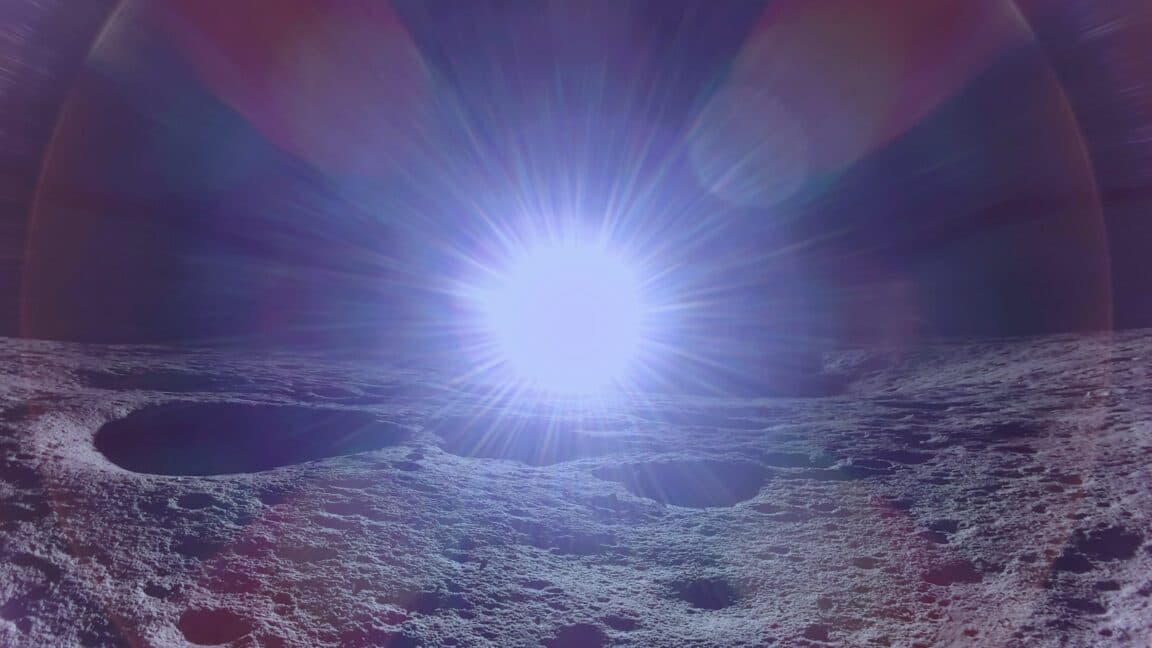
Landing on the Moon is a complex and challenging task. The lunar surface is rocky and unforgiving, with steep craters and rugged terrain that can pose significant hazards to spacecraft. Additionally, the Moon has no atmosphere, which means that there is no air resistance to slow down a spacecraft during descent, making it difficult to achieve a safe and controlled landing.
Despite these challenges, NASA has a long history of successfully landing on the Moon, dating back to the Apollo missions of the 1960s and 1970s. However, those missions were relatively rare, with only six manned landings taking place over the course of several years. In contrast, NASA's current plans call for a much more frequent landing schedule, with the goal of sending astronauts to the Moon every month.
Key Technologies
To achieve this goal, NASA will need to develop and deploy several key technologies. These include advanced propulsion systems, such as nuclear power and advanced ion engines, which will be needed to propel spacecraft to the Moon and back. Additionally, NASA will need to develop new materials and manufacturing techniques to build lightweight and durable spacecraft that can withstand the harsh conditions of space.
Infrastructure Development
In addition to advanced technologies, NASA will also need to develop the necessary infrastructure to support frequent lunar landings. This includes the creation of a reliable and efficient transportation system, such as a lunar lander that can carry astronauts and cargo to the Moon's surface. NASA will also need to establish a network of communication satellites and ground stations to provide real-time communication and navigation support for lunar missions.
Another critical component of NASA's lunar infrastructure is the development of a sustainable and reliable source of power. This could include the use of solar panels or nuclear reactors to generate electricity, as well as the development of advanced energy storage systems to provide backup power during periods of darkness or emergency.
Strategic Planning
- Developing a detailed mission plan and schedule
- Identifying and mitigating potential risks and hazards
- Coordinating with international partners and stakeholders
- Establishing clear goals and objectives for each mission
Strategic planning is essential to the success of NASA's lunar program. This includes developing a detailed mission plan and schedule, identifying and mitigating potential risks and hazards, coordinating with international partners and stakeholders, and establishing clear goals and objectives for each mission.
Crew Training and Preparation
In addition to technological and infrastructural developments, NASA will also need to invest in crew training and preparation. This includes providing astronauts with the necessary skills and knowledge to operate in a lunar environment, as well as preparing them for the physical and mental challenges of space travel.
Astronauts will need to undergo rigorous training to prepare for the lunar mission, including learning how to operate the spacecraft, navigate the lunar surface, and conduct scientific experiments. They will also need to be prepared for emergency situations, such as system failures or medical emergencies.
Scientific Research and Exploration
One of the primary goals of NASA's lunar program is to conduct scientific research and exploration. This includes studying the lunar geology and composition, searching for water ice and other resources, and conducting experiments to better understand the lunar environment.
Scientific research and exploration will be a key component of NASA's lunar missions, with astronauts conducting experiments and collecting samples on the lunar surface. This will help to advance our understanding of the Moon and its place in the solar system, and will also provide valuable insights into the challenges and opportunities of space exploration.
Conclusion
In conclusion, NASA's plans to land on the Moon every month are ambitious and challenging, but they are also essential to the future of space exploration. By developing advanced technologies, infrastructure, and strategic planning, NASA can overcome the challenges of lunar landing and establish a sustainable presence on the Moon. With careful planning, rigorous training, and a commitment to scientific research and exploration, NASA can achieve its lunar ambitions and pave the way for a new era of space exploration and discovery.
