
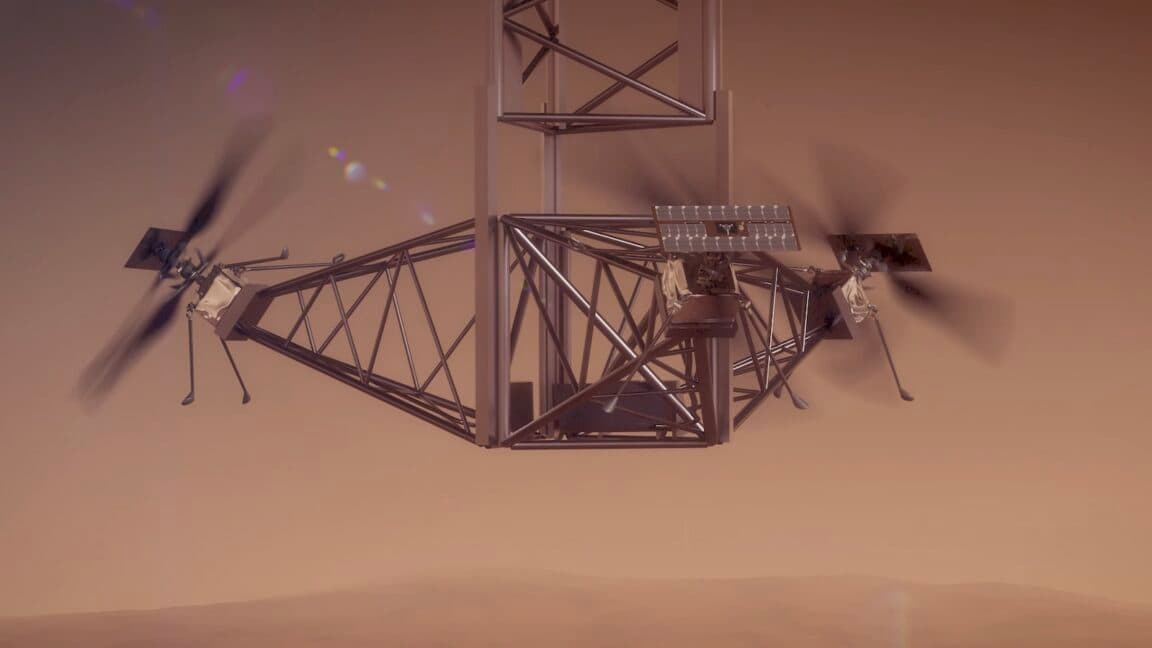
Introduction to Rotor Technology
Rotor technology has been a crucial component in the development of aircraft, helicopters, and other aerial vehicles. The primary function of a rotor is to generate lift, allowing these vehicles to take off, land, and maneuver with precision. However, as rotors spin at high speeds, they are subjected to immense stress and strain, which can lead to disintegration and catastrophic failure. Engineers at NASA's Jet Propulsion Lab have been working tirelessly to overcome this challenge, and their recent breakthrough is a significant milestone in the field of aerospace engineering.
The Challenge of Supersonic Speed
When rotors spin at supersonic speeds, they encounter a unique set of problems. As the blades rotate, they create a region of low air pressure above the blade and high air pressure below. This pressure difference generates a force that can cause the blade to disintegrate. Furthermore, the supersonic speeds create shockwaves that can lead to structural failure. The engineers at NASA's Jet Propulsion Lab have been working to develop a rotor technology that can withstand these stresses and strains.
The Breakthrough in Rotor Technology
The team of engineers at NASA's Jet Propulsion Lab has made a significant breakthrough in rotor technology. Through rigorous testing and simulation, they have developed a rotor blade design that can withstand supersonic speeds without disintegrating. This achievement is a result of years of research and development, and it has the potential to revolutionize the field of aerospace engineering. The new rotor technology uses advanced materials and a unique blade design to reduce the stress and strain caused by supersonic speeds.
Key Features of the New Rotor Technology
- Advanced Materials: The new rotor technology uses advanced materials that are capable of withstanding the high stresses and strains caused by supersonic speeds. These materials have been carefully selected and tested to ensure their durability and reliability.
- Unique Blade Design: The rotor blades have been designed with a unique shape and structure that reduces the pressure difference between the upper and lower surfaces. This design feature helps to minimize the force that can cause the blade to disintegrate.
- Enhanced Structural Integrity: The new rotor technology has been designed with enhanced structural integrity, ensuring that the blades can withstand the shockwaves generated by supersonic speeds.
Implications of the Breakthrough
The breakthrough in rotor technology has significant implications for the field of aerospace engineering. The ability to develop rotors that can withstand supersonic speeds without disintegrating opens up new possibilities for aircraft design. It enables the creation of faster, more efficient, and more maneuverable aircraft, which can be used for a variety of applications, including military, commercial, and recreational purposes.
Potential Applications
The new rotor technology has a wide range of potential applications. Some of the possible uses include:
- Military Aircraft: The new rotor technology can be used to develop faster and more agile military aircraft, which can be used for reconnaissance, combat, and transport missions.
- Commercial Aircraft: The technology can be used to develop more efficient and faster commercial aircraft, which can reduce travel times and increase passenger comfort.
- Recreational Vehicles: The new rotor technology can be used to develop high-performance recreational vehicles, such as helicopters and gyrocopters, which can be used for recreational purposes.
Conclusion
In conclusion, the breakthrough in rotor technology achieved by the engineers at NASA's Jet Propulsion Lab is a significant milestone in the field of aerospace engineering. The ability to develop rotors that can withstand supersonic speeds without disintegrating has the potential to revolutionize the field, enabling the creation of faster, more efficient, and more maneuverable aircraft. As the technology continues to evolve, we can expect to see new and innovative applications of rotor technology in the future.
