
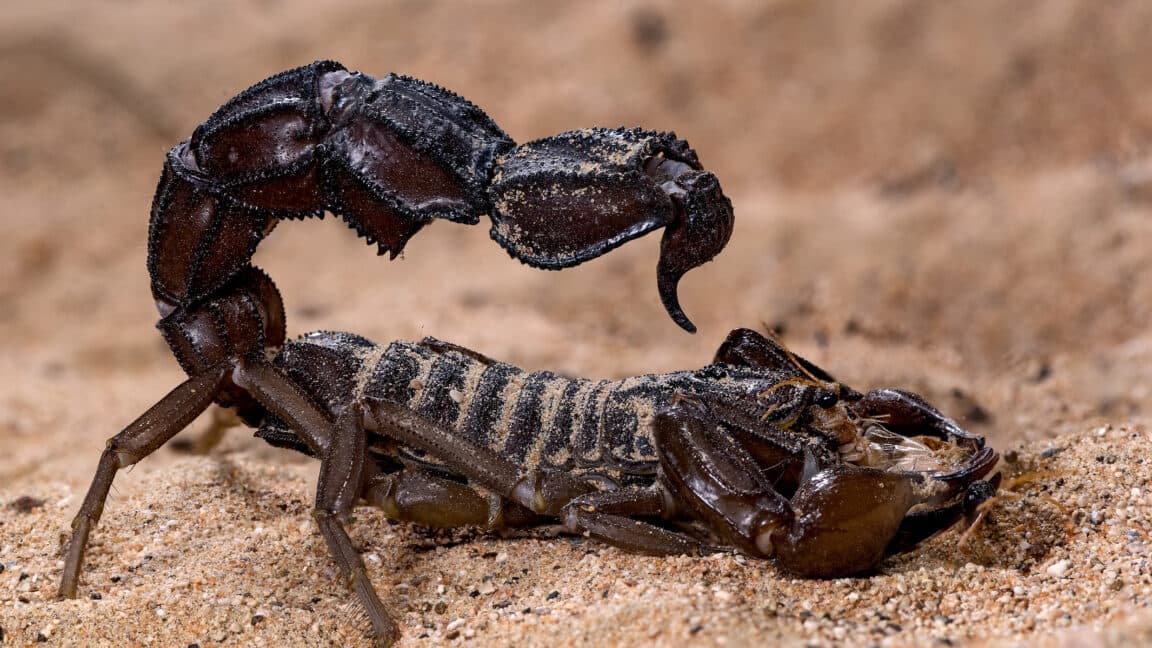
Introduction to Scorpions' Terminator Mode
Scorpions, one of the oldest living creatures on Earth, have been fascinating humans for centuries with their unique characteristics and adaptability. Recently, scientists have discovered that scorpions are reinforcing their weapons with metal, a phenomenon that has left the scientific community intrigued. This adaptation, dubbed 'terminator mode,' has sparked a new wave of research into the world of arachnids and their evolution.
What is Terminator Mode?
Terminator mode refers to the process by which scorpions incorporate metal into their bodies, specifically into their pedipalps and tails, which are used for hunting and defense. This metal reinforcement is thought to provide scorpions with enhanced strength and durability, allowing them to tackle larger prey and protect themselves from predators.
Different Hunting Patterns and Metal Distribution
Research has shown that different hunting patterns seem to dictate different distributions of metal in scorpions. For example, scorpions that hunt small insects tend to have a higher concentration of metal in their pedipalps, while those that hunt larger prey have more metal in their tails. This suggests that scorpions are adapting their metal reinforcement to suit their specific hunting needs.
Types of Metal Used by Scorpions
Scientists have found that scorpions use a variety of metals, including iron, zinc, and copper, to reinforce their bodies. The type of metal used appears to depend on the scorpion's diet and environment, with some species using more iron and others using more zinc. This diversity in metal use has led researchers to speculate about the potential benefits and drawbacks of each metal type.
Benefits and Drawbacks of Metal Reinforcement
The incorporation of metal into their bodies provides scorpions with several benefits, including enhanced strength and durability. However, it also has some drawbacks, such as increased weight and potential toxicity. Researchers are working to understand the trade-offs that scorpions make when using metal reinforcement and how this affects their overall fitness and survival.
Evolutionary Implications of Terminator Mode
The discovery of scorpions' terminator mode has significant implications for our understanding of arachnid evolution. It suggests that scorpions are capable of adapting to their environments in complex and sophisticated ways, using available resources to enhance their survival and reproductive success. This has led scientists to re-examine the evolution of other arachnid groups and their potential for similar adaptations.
Conclusion and Future Directions
In conclusion, the discovery of scorpions' terminator mode has opened up new avenues of research into the world of arachnids and their evolution. As scientists continue to study this phenomenon, we can expect to gain a deeper understanding of the complex interactions between scorpions and their environments. Future studies will focus on the mechanisms underlying metal reinforcement, the diversity of metal use among scorpion species, and the potential applications of this technology in other fields.
- Further research is needed to fully understand the benefits and drawbacks of metal reinforcement in scorpions.
- Studies on the evolution of terminator mode in scorpions could provide insights into the adaptability of other arachnid groups.
- The development of new technologies inspired by scorpions' metal reinforcement could have significant impacts on fields such as materials science and biotechnology.
