
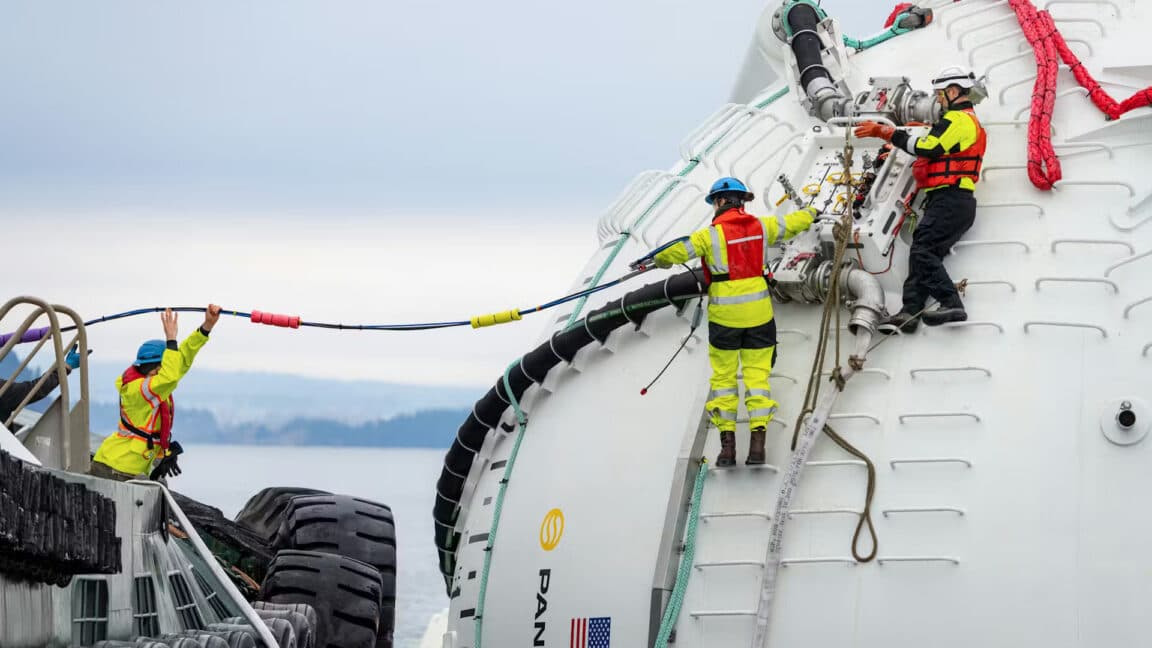
Introduction to Oceanic AI Data Centers
The tech industry is abuzz with the latest innovation from Silicon Valley, as a $200M investment is poured into Panthalassa's revolutionary idea of creating AI data centers that float in the ocean. This novel approach aims to reduce the hefty costs associated with traditional data centers, while also increasing efficiency and promoting sustainable practices. With a planned test in the Pacific in 2026, the future of AI computing is looking brighter than ever.
The Concept of Oceanic Computing
Oceanic computing involves the placement of computing nodes in the ocean, where they can harness the natural cooling properties of seawater to reduce the need for expensive cooling systems. This not only cuts down on costs but also minimizes the environmental impact of these data centers. Panthalassa's vision is to create a network of these floating data centers, which can be powered by renewable energy sources and provide a reliable, high-speed connection to the global network.
Benefits of Oceanic Computing
- Reduced costs: By harnessing the natural cooling properties of seawater, oceanic computing can significantly reduce the costs associated with traditional data centers.
- Increased efficiency: The unique design of these floating data centers allows for faster deployment and scalability, making them ideal for meeting the growing demands of the tech industry.
- Sustainable practices: By using renewable energy sources and minimizing waste, oceanic computing promotes sustainable practices and reduces the environmental impact of data centers.
The Role of Panthalassa in Oceanic AI Data Centers
Panthalassa is at the forefront of this innovative technology, with a team of experts working tirelessly to develop and test the floating AI computing nodes. With the backing of Silicon Valley's $200M investment, the company is well on its way to making oceanic computing a reality. The planned test in the Pacific in 2026 is a crucial step in this process, as it will allow the team to assess the feasibility and effectiveness of this technology in a real-world setting.
Challenges and Opportunities
While the concept of oceanic computing is exciting, it also presents several challenges and opportunities. One of the main concerns is the potential impact on marine life, as the placement of these data centers in the ocean could disrupt the natural habitat of various species. However, this also presents an opportunity for the tech industry to work together with environmental organizations to develop sustainable practices and minimize the impact of these data centers.
The Future of AI Computing
The investment in Panthalassa's oceanic AI data centers is not just a vote of confidence in the company's technology, but also a testament to the growing importance of AI computing in the tech industry. As the demand for AI-powered services continues to grow, the need for efficient, reliable, and sustainable data centers will become increasingly pressing. Oceanic computing has the potential to meet this demand, providing a unique solution to the challenges faced by the tech industry.
Conclusion
In conclusion, the $200M investment in Panthalassa's oceanic AI data centers is a significant step forward for the tech industry, offering a revolutionary solution to the challenges associated with traditional data centers. As the company prepares for its planned test in the Pacific in 2026, the future of AI computing is looking brighter than ever. With its potential to reduce costs, increase efficiency, and promote sustainable practices, oceanic computing is set to play a major role in shaping the future of the tech industry.
