
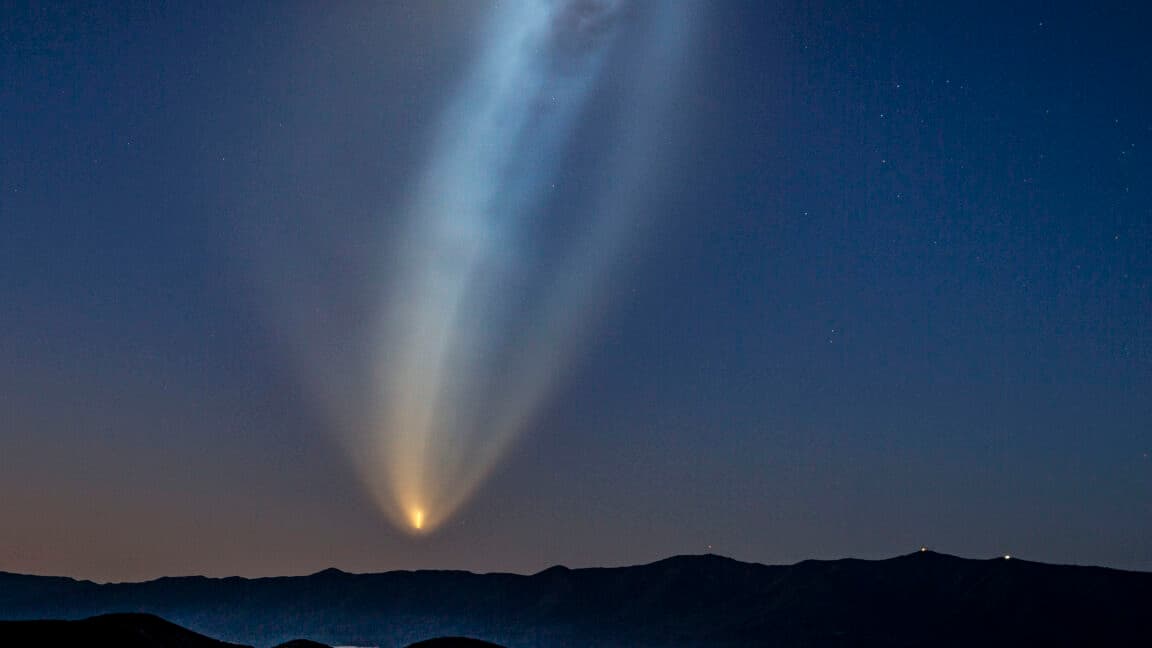
Introduction to SpaceX's New Era
SpaceX, founded by Elon Musk, has been at the forefront of space technology and exploration for over two decades. The company has achieved numerous milestones, including becoming the first privately funded entity to launch a liquid-fueled rocket into orbit and the first to land a rocket booster back on Earth. However, as the space industry continues to evolve, SpaceX is starting to move on from its most successful rocket, marking a new era in space exploration and technology advancements.
Vandenberg Space Force Base: The New Hub
Vandenberg Space Force Base in California is set to become SpaceX's busiest launch site, with multiple launches planned in the coming months. This shift in operations is a significant indicator of the company's growing ambitions and its commitment to pushing the boundaries of space technology. The base, which has been used for various launch operations in the past, will now play a critical role in SpaceX's mission to explore the cosmos and establish a human settlement on Mars.
The Rise of Reusability
One of the key factors contributing to SpaceX's success has been its emphasis on reusability. The company's rockets, including the Falcon 9 and Falcon Heavy, have been designed to be reusable, significantly reducing the cost of access to space. This approach has not only made space travel more affordable but also enabled SpaceX to launch a high volume of missions, including satellite deployments, cargo resupply missions to the International Space Station, and crewed missions to the ISS. As the company moves on from its most successful rocket, it is likely to continue pushing the boundaries of reusability, exploring new technologies and innovations that will further reduce the cost of space travel.
Challenges and Opportunities
As SpaceX starts to move on from its most successful rocket, the company will face several challenges, including the need to develop new technologies and infrastructure to support its growing ambitions. However, these challenges also present opportunities for innovation and growth, enabling SpaceX to stay ahead of the competition and achieve its long-term goals. The company's commitment to reusability, for example, has already led to significant advancements in materials science and engineering, with potential applications in a wide range of industries, from aerospace to automotive.
The Future of Space Exploration
The future of space exploration islikely to be shaped by several factors, including advances in technology, changes in government policies, and shifts in public perception. As SpaceX moves on from its most successful rocket, the company will play a critical role in shaping this future, driving innovation and pushing the boundaries of what is possible. With its sights set on establishing a human settlement on Mars, SpaceX is likely to continue pushing the boundaries of space technology, exploring new frontiers, and expanding our understanding of the cosmos.
Conclusion and Next Steps
In conclusion, SpaceX's decision to move on from its most successful rocket marks a significant shift in the company's operations and space exploration goals. As Vandenberg Space Force Base becomes the company's busiest launch site, SpaceX will continue to drive innovation and push the boundaries of space technology. With its commitment to reusability, emphasis on sustainability, and passion for exploration, SpaceX is likely to remain at the forefront of the space industry, shaping the future of space exploration and inspiring new generations of scientists, engineers, and innovators. As the company embarks on this new era, it will be exciting to see what the future holds for SpaceX and the space industry as a whole.
- Key takeaways from SpaceX's new era include the importance of reusability, the role of Vandenberg Space Force Base, and the company's commitment to driving innovation and pushing the boundaries of space technology.
- SpaceX's move on from its most successful rocket is likely to have a significant impact on the space industry, driving growth, innovation, and exploration.
- The company's long-term goals, including establishing a human settlement on Mars, will continue to shape its operations and decision-making processes.