
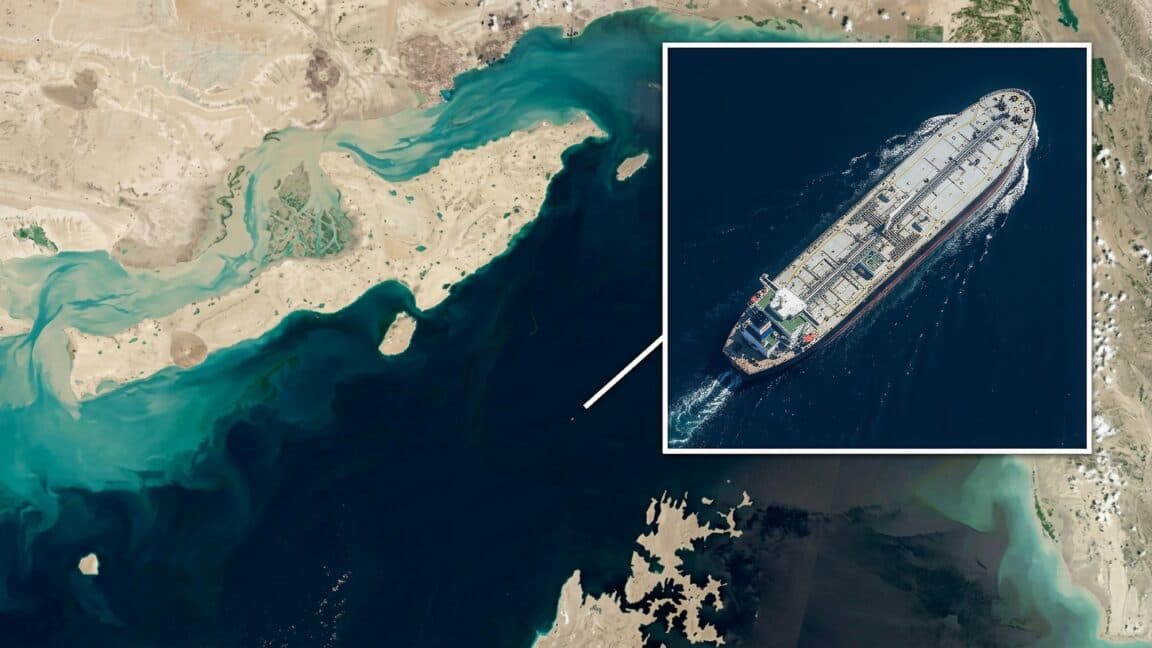
Introduction to the Strait of Hormuz Game
The Strait of Hormuz game is a thought-provoking simulation that puts players in the midst of a global crisis, where they must navigate the complexities of international relations and global trade. The game is set in the Strait of Hormuz, a critical shipping chokepoint that connects the Persian Gulf to the Arabian Sea, and through which a significant portion of the world's oil passes. Players are tasked with finding the least worst options for managing the strait, taking into account the interests of various nations and the potential consequences of their actions.
Understanding the Game's Context
The Strait of Hormuz game is not just a simple simulation, but a complex and nuanced exploration of the geopolitical tensions and economic instability that characterize the region. Players must consider the interests of nations such as Iran, the United States, and China, as well as the potential impact of their actions on global trade and the economy. The game also highlights the importance of diplomacy and international cooperation in resolving conflicts and preventing crises.
The Game's Mechanics and Objectives
The Strait of Hormuz game is designed to be a challenging and immersive experience, with players facing a range of difficult decisions and trade-offs. The game's mechanics are based on real-world data and scenarios, and players must use their knowledge of geopolitics and international relations to navigate the simulation. The game's objectives are to minimize the risk of conflict, protect the interests of the player's nation, and ensure the stability of global trade.
Key Players and Interests
The Strait of Hormuz game involves a range of key players, each with their own interests and objectives. These include:
- Iran: seeks to protect its sovereignty and interests in the region, while also maintaining its oil exports and economy.
- United States: aims to protect its allies and interests in the region, while also maintaining the stability of global trade and the economy.
- China: seeks to secure its energy supplies and protect its economic interests in the region.
- Other nations: such as the European Union, Japan, and India, which have their own interests and objectives in the region.
Geopolitical Tensions and Economic Instability
The Strait of Hormuz game highlights the geopolitical tensions and economic instability that characterize the region. Players must navigate the complex web of alliances and rivalries between nations, as well as the potential consequences of their actions on global trade and the economy. The game also explores the impact of external factors, such as terrorism and piracy, on the stability of the region.
Real-World Implications and Lessons
The Strait of Hormuz game has real-world implications and lessons for policymakers and business leaders. The game highlights the importance of diplomacy and international cooperation in resolving conflicts and preventing crises, as well as the need for nations to consider the long-term consequences of their actions. The game also underscores the importance of diversifying energy supplies and promoting economic stability in the region.
Conclusion and Takeaways
The Strait of Hormuz game is a thought-provoking simulation that highlights the complexities of international relations and global trade. Players must navigate the challenging and nuanced world of geopolitics, making difficult decisions and trade-offs to achieve their objectives. The game has real-world implications and lessons for policymakers and business leaders, and underscores the importance of diplomacy, international cooperation, and economic stability in preventing crises and promoting peace and prosperity in the region.
