
Introduction to Finnish Textile Art
Finland, a country known for its stunning natural landscapes and modern design, is also home to a thriving textile art scene. The Espoo Museum of Modern Art (EMMA), located just outside Helsinki, is a premier destination for exploring this unique aspect of Finnish culture. With a focus on innovative techniques and bold patterns, Finnish textile art has become a staple of the country's design identity.
The History of Finnish Textile Art
The history of Finnish textile art dates back centuries, with traditional crafts such as weaving and knitting playing a significant role in the country's cultural heritage. Over time, Finnish textile artists have evolved and adapted their techniques, incorporating modern materials and methods to create truly unique and innovative works of art. Today, Finnish textile art is recognized globally for its exceptional quality and design.
Key Figures in Finnish Textile Art
Several key figures have contributed to the development of Finnish textile art, including renowned designers and artists such as Marimekko's Armi Ratia and Vuokko Nurmesniemi. Their work has not only shaped the aesthetic of Finnish textile art but also influenced the global design community. The use of bold colors, geometric patterns, and experimental techniques has become a hallmark of Finnish design, and textile art is no exception.
Exploring EMMA's Textile Art Collection
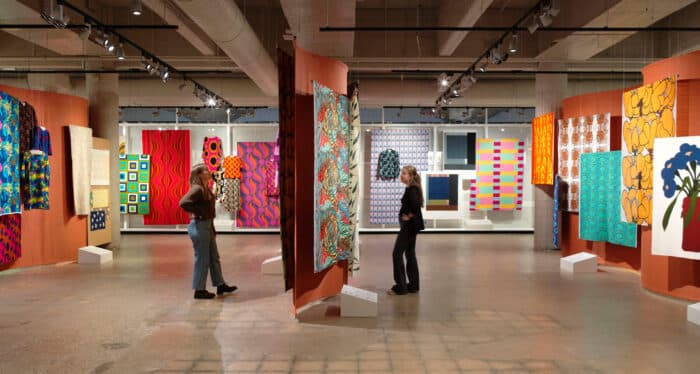
EMMA's textile art collection is a treasure trove of Finnish design expertise, featuring works by both established and emerging artists. The museum's exhibitions showcase a wide range of textile art forms, from traditional handicrafts to contemporary installations. Visitors can expect to see intricate weavings, vibrant prints, and innovative uses of materials such as wool, cotton, and silk. The collection is a testament to the diversity and creativity of Finnish textile art, with each piece telling a unique story about the country's cultural heritage and design identity.
Highlights of the Collection
- Marimekko's iconic print designs, which have become synonymous with Finnish fashion and design
- Experimental textiles by emerging artists, pushing the boundaries of traditional techniques and materials
- Historical pieces, showcasing the evolution of Finnish textile art over the centuries
Finnish Design and Fashion
Finnish design and fashion are deeply rooted in the country's textile art tradition. The use of bold patterns, bright colors, and innovative materials has become a hallmark of Finnish fashion, with designers such as Marimekko and Ivana Helsinki achieving global recognition. The emphasis on functional design, simplicity, and sustainability has also contributed to the success of Finnish fashion, with many designers incorporating eco-friendly materials and production methods into their work.
Sustainability in Finnish Fashion
Sustainability is a key aspect of Finnish fashion, with many designers prioritizing eco-friendly materials, production methods, and supply chains. The use of recycled materials, organic cotton, and locally sourced wool has become increasingly popular, reflecting the country's strong environmental ethos. Finnish fashion is not only about creating beautiful and functional clothing but also about promoting a more sustainable and responsible approach to design and production.
Conclusion
In conclusion, the world of Finnish textile art is a vibrant and dynamic one, with a rich history, innovative techniques, and a deep connection to the country's design identity. EMMA's textile art collection is a must-visit destination for anyone interested in exploring this unique aspect of Finnish culture. With its bold patterns, experimental techniques, and emphasis on sustainability, Finnish textile art is an inspiration to designers and artists around the world, and a testament to the country's expertise in design and fashion.