
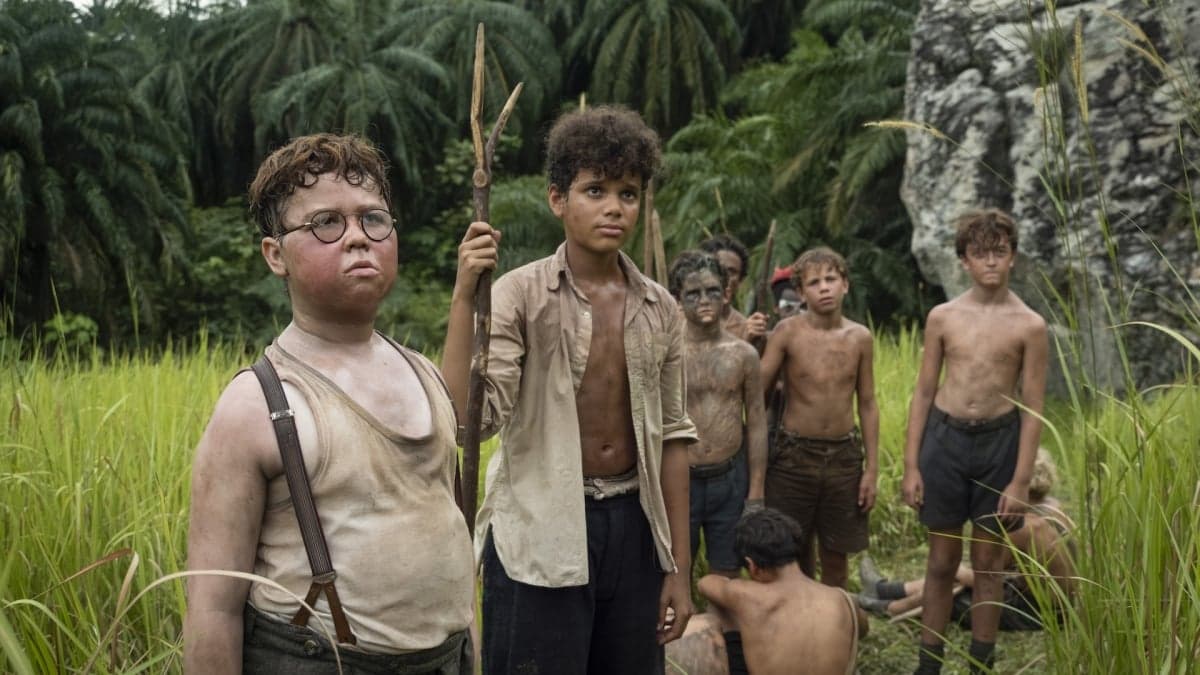
Introduction to Lord of the Flies
Lord of the Flies, a novel by William Golding, has been a staple of literature since its publication in 1954. The story of a group of young boys stranded on a deserted island, with no adult supervision, has captivated readers for generations. The novel explores themes of human nature, savagery, and the effects of isolation on society. Recently, Jack Thorne adapted the novel into a stage play, offering a fresh perspective on the classic tale. In this article, we will delve into the ending of Lord of the Flies, comparing the book and the adaptation, and exploring the significance of the conclusion in both versions.
The Book Ending: A Descent into Chaos
In the novel, the ending is a culmination of the boys' descent into chaos and savagery. After the death of Simon, the group's moral compass, the boys' behavior becomes increasingly erratic and violent. The conch shell, a symbol of order and democracy, is destroyed, and the group splits into two factions: the savages, led by Jack, and the civilized, led by Ralph. The novel ends with Ralph, the last bastion of civility, being hunted by the savages, and ultimately rescued by a naval officer. The ending is a commentary on the darkness of human nature and the effects of isolation on society.
Character Development in the Book
The characters in the novel are well-developed and complex, with each one representing a different aspect of human nature. Ralph, the protagonist, represents order and civility, while Jack represents savagery and the desire for power. The relationship between the two characters is a central theme of the novel, with Ralph's attempts to maintain order and Jack's desire for power driving the plot. The other characters, such as Piggy and Simon, add depth and complexity to the story, exploring themes of intelligence, morality, and the effects of isolation.
The Adaptation Ending: A Fresh Perspective
Jack Thorne's adaptation of Lord of the Flies offers a fresh perspective on the classic tale. The ending of the play is similar to the novel, with the boys' descent into chaos and savagery culminating in the death of Simon and the destruction of the conch shell. However, the play adds a new layer of complexity to the story, exploring the themes of toxic masculinity and the effects of trauma on individuals and society. The play ends with Ralph, traumatized by his experiences, being rescued by the naval officer, but not before he is forced to confront the true nature of humanity.
Comparison of the Book and Adaptation
A comparison of the book and adaptation reveals both similarities and differences. Both the novel and the play explore the themes of human nature, savagery, and the effects of isolation on society. However, the play adds a new layer of complexity to the story, exploring the themes of toxic masculinity and trauma. The characters in the play are also more nuanced and complex, with Ralph and Jack's relationship being more deeply explored. The play also uses more modern language and themes, making it more relatable to contemporary audiences.
Themes and Symbolism in Lord of the Flies
The themes and symbolism in Lord of the Flies are a crucial aspect of the story. The conch shell, for example, represents order and democracy, while the beast represents the unknown and the fears of the boys. The island itself is a symbol of isolation and the effects of being cut off from society. The play also explores the theme of toxic masculinity, with Jack's character representing the dangers of unchecked aggression and dominance. The novel and play also explore the theme of morality, with the characters being forced to confront the true nature of humanity and the consequences of their actions.
The Significance of the Ending
The ending of Lord of the Flies, in both the book and adaptation, is significant because it highlights the themes of the story and provides a commentary on human nature. The descent into chaos and savagery is a warning about the dangers of unchecked power and the effects of isolation on society. The ending also raises questions about the nature of humanity and the consequences of our actions. The play's exploration of toxic masculinity and trauma adds a new layer of complexity to the story, highlighting the dangers of unchecked aggression and the importance of empathy and understanding.
Conclusion: The Timeless Relevance of Lord of the Flies
In conclusion, the ending of Lord of the Flies, in both the book and adaptation, is a powerful commentary on human nature and the effects of isolation on society. The story has remained relevant for generations, and its themes and symbolism continue to resonate with audiences today. The adaptation by Jack Thorne offers a fresh perspective on the classic tale, exploring new themes and ideas while maintaining the core of the story. Whether you are a fan of the novel or the play, Lord of the Flies is a story that will continue to captivate and disturb audiences for generations to come.