Introduction to the Latest Rocket Report
The space industry has been abuzz with the latest developments in rocket technology, particularly with the return of the Falcon Heavy and the inaugural launch of Russia's Soyuz-5. These events are pivotal, not just for the companies involved, but for the broader landscape of space exploration and the deployment of satellite constellations. This article delves into the details of these launches, their significance, and the implications for the future of space technology.
The Return of Falcon Heavy
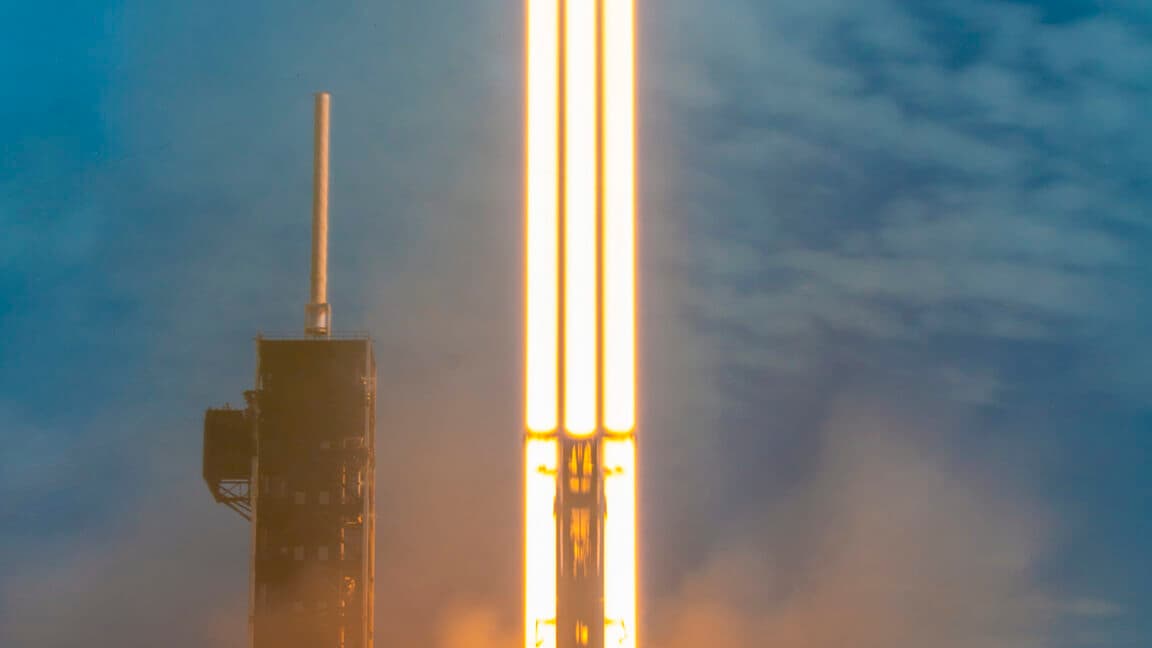
The Falcon Heavy, known for its impressive payload capacity, has been a cornerstone of SpaceX's ambitions in space. After a period of dormancy, its return to the launchpad has been highly anticipated. The recent launch was a resounding success, demonstrating the reliability and power of the Falcon Heavy. This rocket is crucial for missions that require heavy lifting, including deep space expeditions and the deployment of large satellites.
Technical Specifications of Falcon Heavy
The Falcon Heavy boasts an impressive set of technical specifications, including its ability to lift nearly 64 metric tons into orbit. This capability makes it one of the most powerful operational rockets in the world. Its reusability is also a significant factor, as it can substantially reduce the cost of access to space. The return of the Falcon Heavy is a testament to SpaceX's commitment to pushing the boundaries of space technology.
Russia's Soyuz-5 Makes Its Debut
Russia's space program has been undergoing significant changes, with the Soyuz-5 being one of its most anticipated projects. The Soyuz-5 is designed to be a more modern and efficient launch vehicle, capable of carrying a variety of payloads into different orbits. Its debut launch was closely watched, and its success marks an important milestone for Russia's space ambitions. The Soyuz-5 is expected to play a key role in Russia's plans for space exploration and the deployment of its own satellite constellations.
Significance of Soyuz-5 for Russia's Space Program
The Soyuz-5 represents a significant step forward for Russia's space program, offering a reliable and efficient launch capability. This is crucial for Russia's plans to expand its presence in space, including the launch of satellites for communications, navigation, and Earth observation. The success of the Soyuz-5 also underscores Russia's commitment to remaining a major player in the global space industry.
Launches for Amazon's Leo Broadband Network
Both the Falcon Heavy and the Soyuz-5 have been involved in launches for Amazon's Leo broadband network. These launches are part of Amazon's ambitious plan to deploy a constellation of satellites aimed at providing global internet coverage. The satellites launched by these rockets will form a critical part of this network, enabling high-speed internet access to remote and underserved areas around the world.
Implications for Global Connectivity
The deployment of satellite constellations like Amazon's Leo has profound implications for global connectivity. By providing internet access to areas that are currently underserved or unserved, these constellations can help bridge the digital divide. This can have significant economic, social, and educational benefits, particularly in rural and developing regions.
Conclusion: The Future of Space Exploration
The return of the Falcon Heavy and the debut of the Soyuz-5 are significant events in the space industry, highlighting the rapid pace of technological advancement and the increasing importance of satellite constellations. As space technology continues to evolve, we can expect to see more powerful and efficient launch vehicles, as well as more ambitious projects aimed at exploring and utilizing space. The future of space exploration is bright, with both government agencies and private companies playing crucial roles in pushing the boundaries of what is possible.
- The development of reusable launch technology has been a game-changer, significantly reducing the cost of access to space.
- Satellite constellations are set to revolutionize global connectivity, providing internet access to remote and underserved areas.
- The race to establish a human presence on the Moon and Mars is gaining momentum, with both NASA's Artemis program and private initiatives like SpaceX's Starship project.